Art Museum

Dwelling in the undisturbed cave,
Whose walls are filled with the beautiful
Expression of that lonely toil
Which reaps little known reward,
But instead gives sweet mental gift
From artist to man, lives the canvas;
Bestowing its divine ease upon the
Sufferer of melancholy feeling.

Oh! To commune with the ghost
Whose living brush painted scenes
Of such still contemplation, and
Share in quiet understanding the
Burdens of man’s inner mind.

On Seeing a Bedframe on a Wall

Oh, behold! This disassembled structure
Of dreamy rest; the one who
First slept in rectangular safety
Whispers as you walk by.
What fantasies did this castle of
Sleep bestow upon the smokeless
Mind of man or child?
What life came riding upon
God’s breath to find its birthplace
In the protection of this pine?

What breath hath departed man’s decaying body?
What death haunts this structure of eternal rest?
For now, this rich mystery lies dormant,
Broken for the momentary glance of passersby.

Portraits

To sit and behold the portraits of
These lost souls of past significance,
Brings thoughts of joy and intellect.
For neither man nor woman, whose
Eyes gaze from past into present
Have an expression of joy.

Could it be that happiness to these
Rich souls can only result from lack of
Understanding? Is understanding a
Blessing which God bestows upon an
Uncommon man, forever to live
Outside of an unknown happiness?
Is to smile an absurd denial of
The cruelty of this world?
Tag: history
-
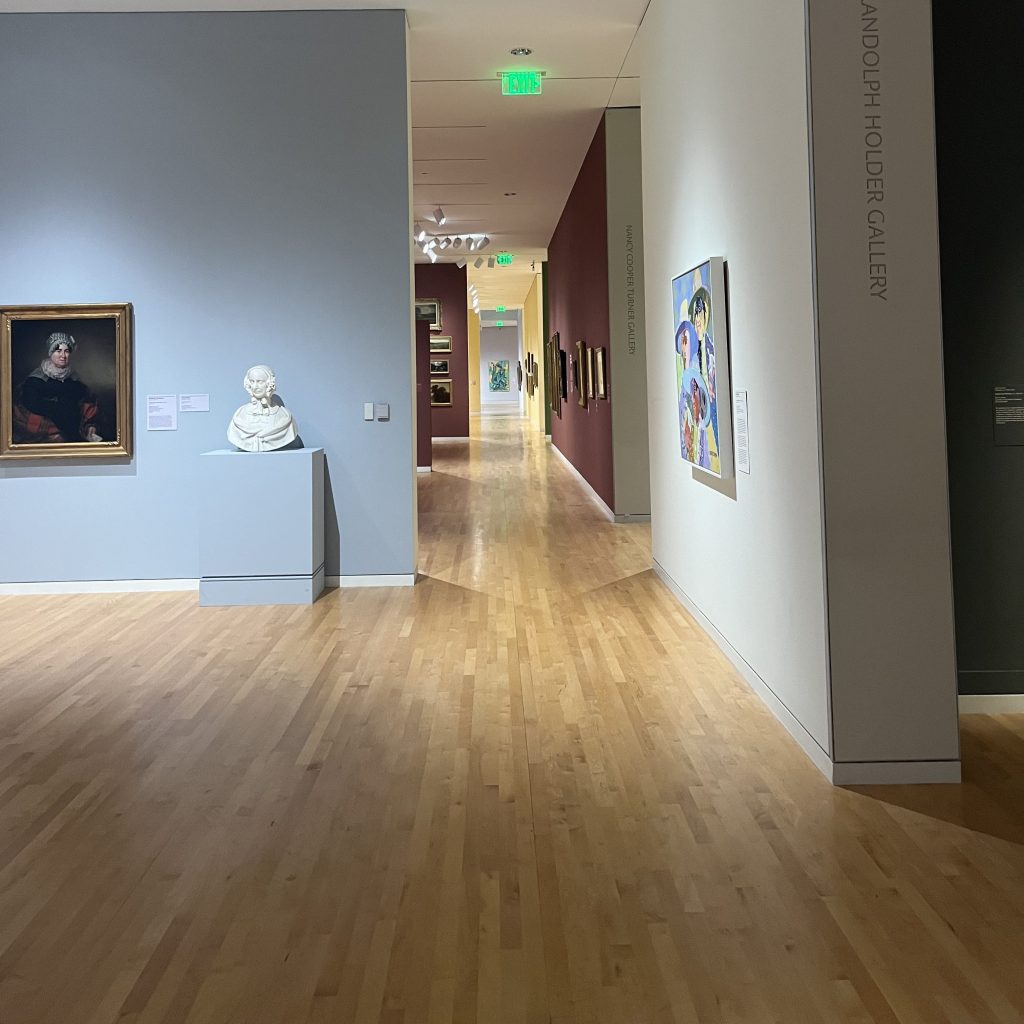
Poems from a Trip to the UGA Art Museum
-
Bridges
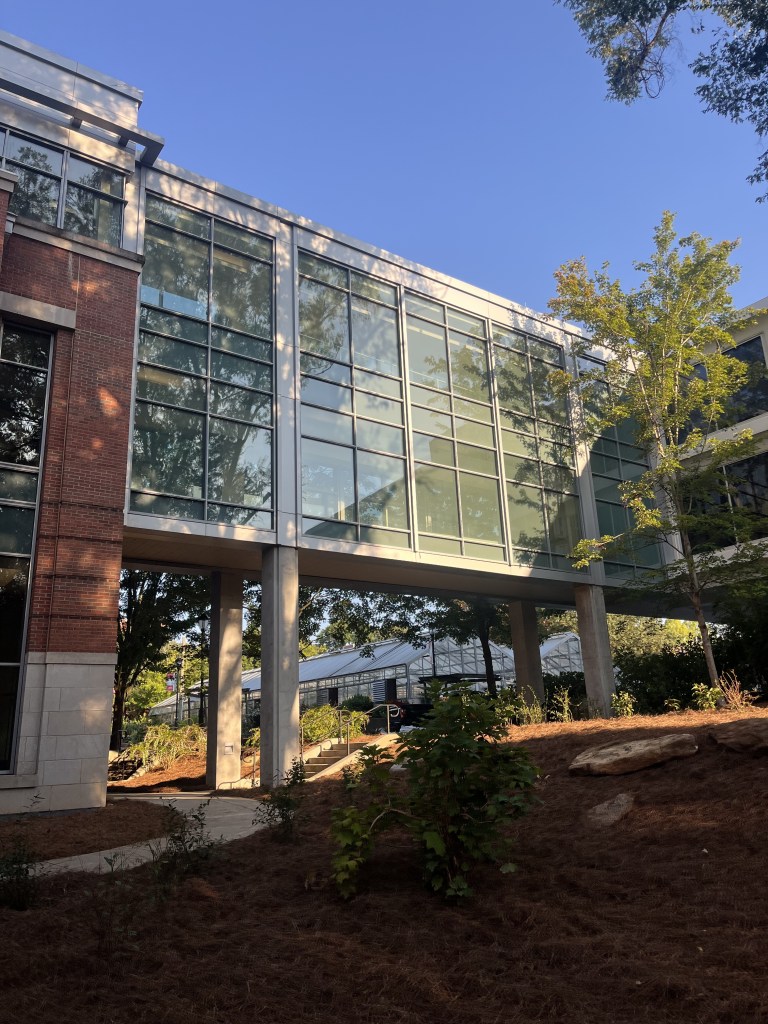
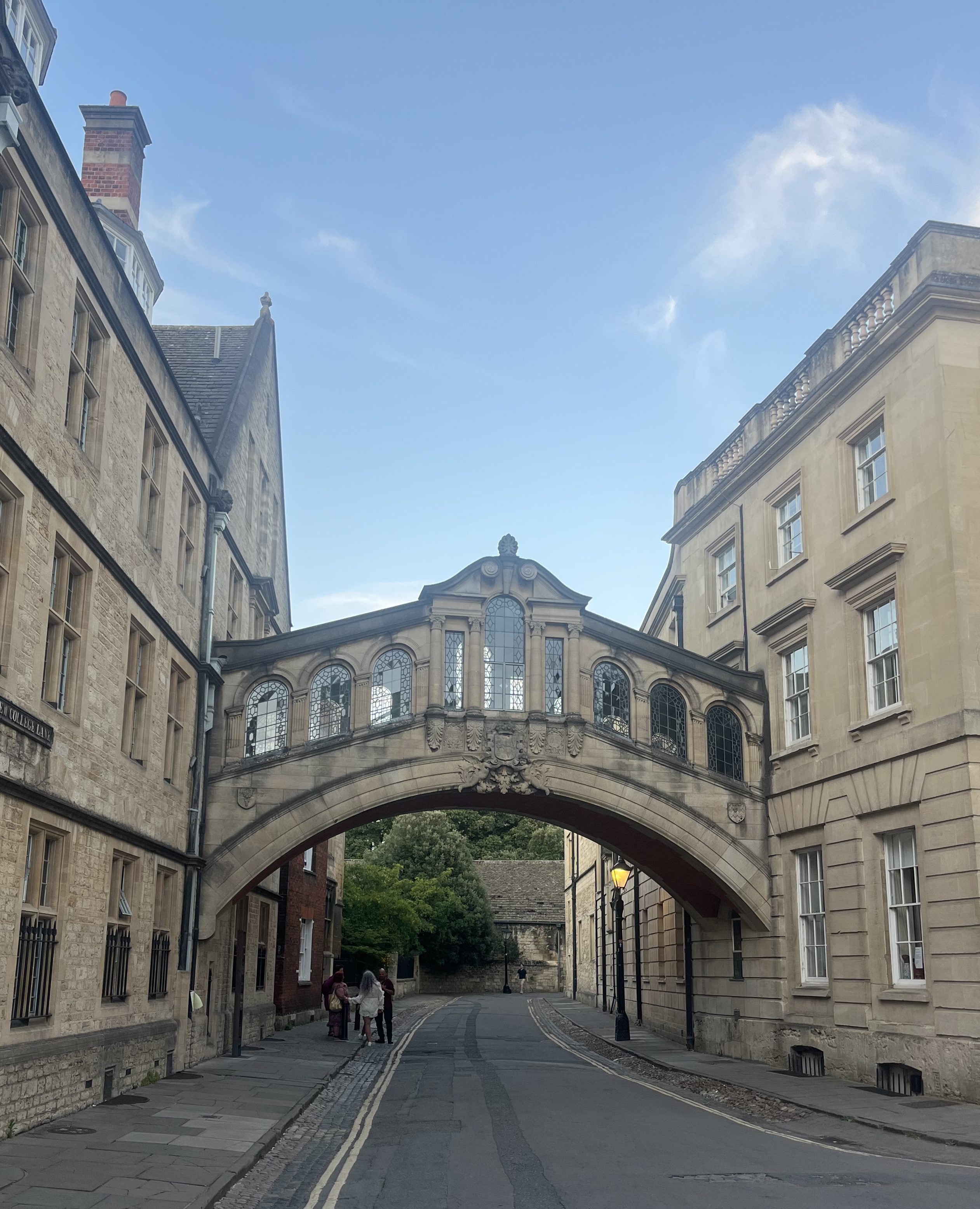
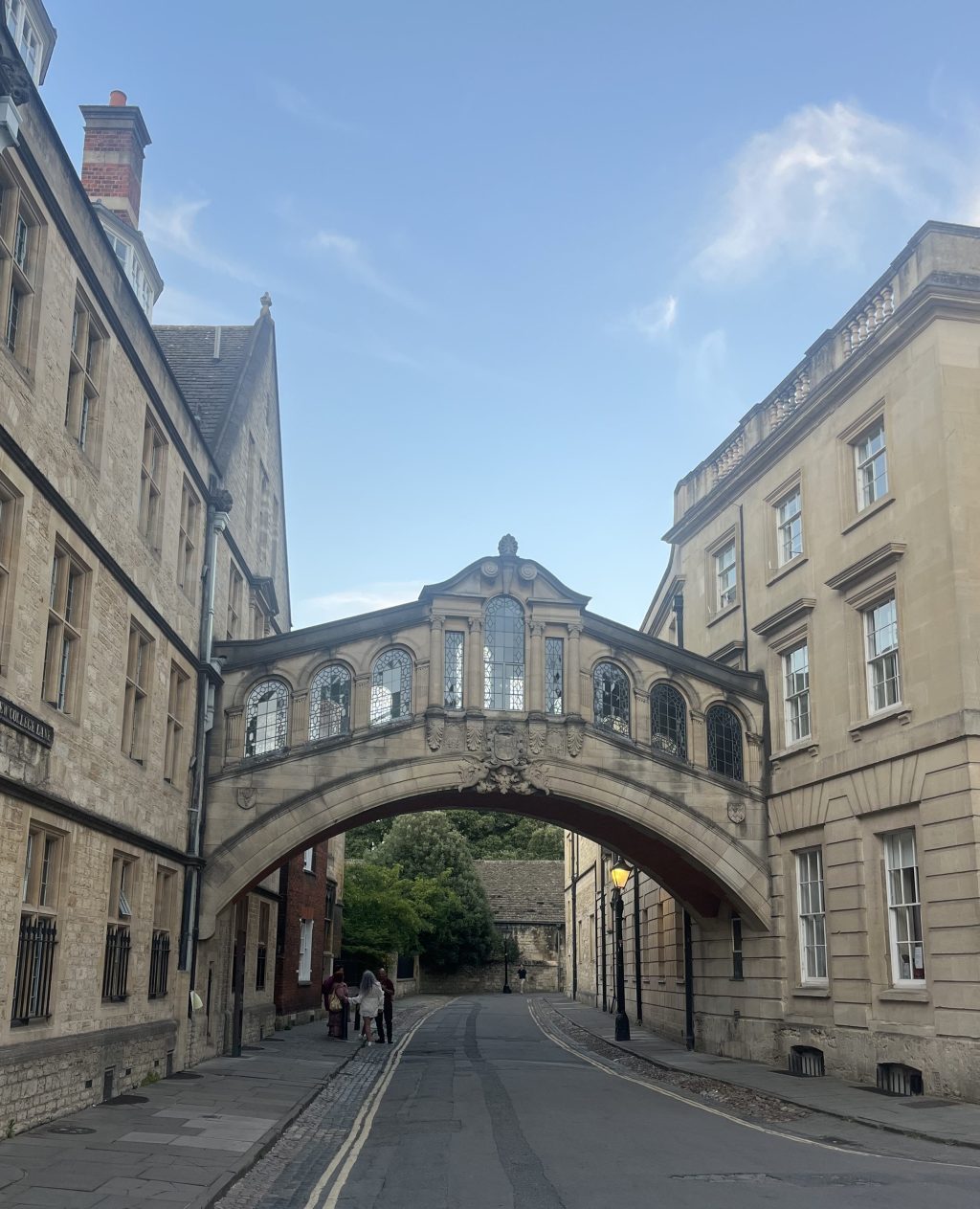
Before you are two bridges between buildings. One is from my college, The University of Georgia. The other is from The University of Oxford.
In Oxford, the bridge is called, “The Bridge of Sighs.” At UGA, the bridge is nameless. Let’s call it, “Pharmacy Building Bridge.”
The Bridge of Sighs in Oxford is referencing a similar bridge Venice, Italy, also called the Bridge of Sighs. In Italy, the bridge connected the interrogation rooms to the prison. It was said that as the prisoners walked over the bridge, they would give a “sigh”, taking their last look into the free world, wishing they could escape. In Oxford, it is said that if you stand below this bridge, close your eyes, and make a wish silently, your wish will come true (but don’t tell anyone your wish).
This bridge represents something greater than the connection between two buildings. It represents the idea that we are living in freedom. We are not a prisoner, looking out over the city and wishing we could have lived a better life, but rather, we are the ones the prisoner wishes to be. We have the freedom that other’s don’t. We still have the possibilities, the opportunities. It’s a constant reminder of the blessings in life that we have, and to never take our positions for granted. Nearly every day, 1000s of tourists walk under this bridge. Millions of students, Oxford or not, have made big wishes below this bridge.
Back to the real world at The University of Georgia. A grand pillar of public education. 2.5 billion dollars in revenue annually. 40,000 students attend this university. Nearly double that of Oxford.
Pharmacy Building Bridge has no history. There is no historical reference in the name. It doesn’t even have a name. The bridge is too insignificant to be named. It is merely a tool. The structure does not mimic some great architectural achievement of the human. Nor does it invoke a historical reference. It does not inspire. It does not remind us that we are living in a world that others would die for the opportunity just to live one day in our shoes. That others have died so that we can live one more day. It merely exists to allow students and professors to walk from one building to the other without going outside. Because it’s only a bridge. Why should it be inspiring?

